
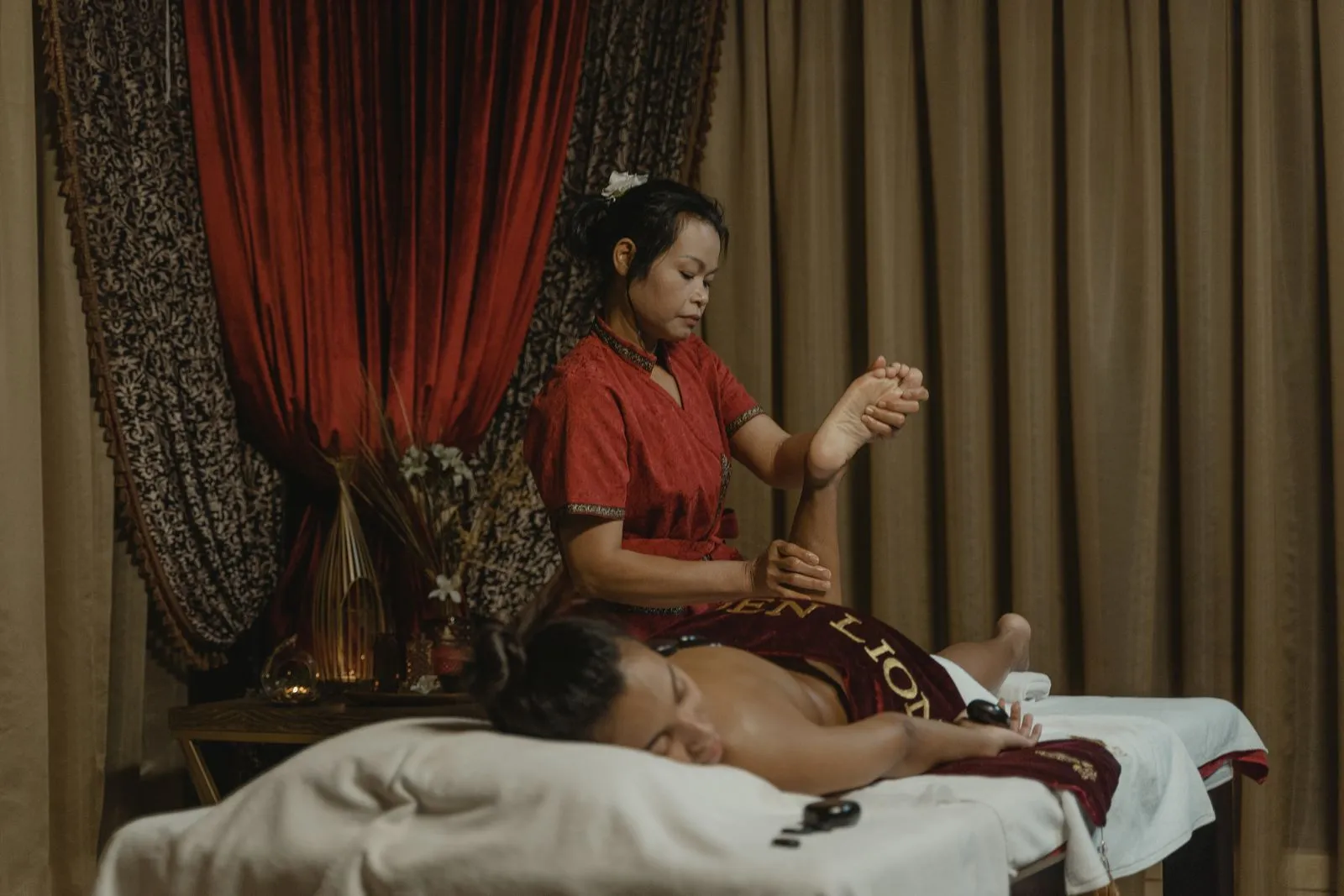
Foot reflexology is a hands-on treatment that uses pressure on specific areas of the feet. Many people book a session to make time for relaxation and focused foot care. If you are new to reflexology, it helps to know what happens before, during, and after an appointment. This guide explains the basics, what you might feel during a treatment, and how to decide whether it suits your comfort and wellness preferences.
What Foot Reflexology Is
During foot reflexology, a practitioner applies pressure and uses hands-on techniques on different parts of the feet. Reflexology is based on the practice’s traditional map of the feet, which associates areas with other parts of the body. It is important to understand that these associations are not a medical diagnosis, and reflexology should not replace medical care or treatment.
A session may include gentle, steady pressure, thumb or finger movements, and attention to areas that feel tender or tight. The practitioner may work on both feet, adjusting the pressure to your preferences. You can ask questions at any point, request a lighter touch, or pause the treatment.
Before Your Appointment
Arrive with clean, comfortable feet and wear clothing that makes it easy to access your lower legs. You will usually remove your shoes and socks, then sit or lie back in a comfortable position. Your practitioner may ask about your goals, pressure preferences, and relevant health concerns before starting.
Share information that could affect your treatment, such as foot injuries, skin irritation, recent procedures, or health conditions. If you are pregnant or have a medical concern, ask your healthcare professional whether reflexology is appropriate for you. Tell the practitioner about any sensitivities so they can adapt the session.
What a Session May Feel Like
People often describe reflexology as calming, but experiences vary. You may notice a relaxing rhythm, mild pressure, warmth, or sensitivity in particular areas. Pressure should remain within your comfort level; a treatment does not need to be painful to be worthwhile. Speak up if a movement feels uncomfortable or you would like the practitioner to change the pressure.
Some clients feel relaxed during the session, while others simply enjoy having focused attention on their feet. You may feel ready to rest afterward, or you may notice no particular change. Reactions differ from person to person, and one session cannot promise a specific result. Drink water if you like, and give yourself a little time to ease back into your day.
Choosing a Comfortable Session
A good session starts with clear communication. Let the practitioner know whether you prefer light, medium, or firmer pressure, and check in if your comfort changes. You can also ask what areas they plan to work on and request that a sensitive spot be avoided. Your comfort and consent should guide the treatment throughout.
Choose a qualified practitioner who explains their approach and welcomes questions. Reflexology can be one option for relaxation and personal care, but it is not a substitute for assessment or treatment from a healthcare professional. If foot pain is severe, persistent, or unexplained, seek medical advice rather than relying on a spa treatment.
Foot reflexology offers a structured way to focus on your feet in a calm setting, with pressure tailored to your comfort. Knowing what to expect can make a first visit feel easier. If you are considering a session, ask the practitioner about their approach and share any concerns before booking.